How to Choose a Private Gaudí Tour in Barcelona
Choosing a private tour of Gaudí's work is less about finding the longest itinerary and more about matching the visit to your pace, interests and practical limits. Barcelona rewards careful planning. The buildings are spread across different districts, some require timed entry and the best visits leave room for looking up, slowing down and noticing details that are easy to miss in a crowd.
Start by deciding what you want the tour to cover. Gaudí's work is not contained in one square or one neighbourhood. Sagrada Familia is a major draw, while Park Güell, Casa Batlló and La Pedrera each show a different side of his design. A route that tries to include everything may feel rushed, especially if you want guided commentary inside more than one building. A focused route with two or three stops often gives a clearer picture than a packed schedule.
Think about the kind of experience you want before comparing options. Some visitors want a structured architectural visit, with context on forms, materials and symbolism. Others prefer a lighter introduction with time for photos and wandering. A private gaudi tour barcelona can be shaped around either approach, but the wording of the tour description usually gives clues. Look for mentions of architectural details, pacing, meeting points and how much time is spent inside, rather than relying on a list of famous names alone.
Set your priorities before you compare routes
Write down your must-see sites, then separate them from the places you would be happy to skip. Sagrada Familia is often the first priority, but it also needs more planning than an exterior stop. Casa Batlló and La Pedrera sit close enough to pair well, while Park Güell involves more movement between spaces and slopes. The Gothic Quarter can add a useful contrast if you want to understand the older city fabric around Modernisme, though it is not a Gaudí site in the same sense.
Consider who is joining the visit. Children, older travellers or anyone with limited mobility may benefit from fewer stops and clearer rest points. A route that looks compact on a map can still involve stairs, uneven paving or uphill sections. If accessibility matters, ask for the route in concrete terms: entrances, lifts, gradients and places to sit. A vague promise that a tour is suitable for all visitors is less useful than a plain description of the walking involved.

Match the length to your attention span
Longer is not always better. A half day can work well for Sagrada Familia plus one nearby stop, while a full day may suit a deeper look at several sites with breaks. Watch for itineraries that allow only a short window at a major building, because queues and security checks can eat into that time. A good plan includes realistic breathing room between stops, not just travel time.
Also check when the visit takes place. Morning visits can feel calmer in busy areas, while later visits may suit travellers who prefer a slower start. Light changes the look of facades and interiors, so think about photography as well as comfort. If a route includes Park Güell, note that views and shade vary by time of day.
Check what is included and what is left open
This is where many choices become clear. Entry arrangements differ by site and by season, and the word tour can mean anything from an outside walk to a fully timed interior visit. Read the inclusions carefully. If interior access matters, confirm whether tickets are arranged as part of the visit or whether participants need to hold their own. The difference affects both cost and the way the day unfolds.
Skip-the-line access is useful when it applies, but it should not be treated as a magic phrase. Ask which site it refers to and what still happens on arrival. Timed entry, security screening and crowd flow can still shape the experience. A clear provider will separate ticket access from guiding and tell you what the guide does during each part of the visit.
Guided commentary is another point to examine. Ask whether the commentary continues inside the buildings or stops at the entrance. For Gaudí, that distinction matters. The exterior shapes are striking, yet the reasons behind them, the use of light and the details in stairs, columns and ceramics are easier to understand with explanation at the right moment. A knowledgeable guide can connect the sites without turning the day into a lecture.
Compare guides by clarity, not just enthusiasm
A strong private tour depends heavily on the person leading it. Look for descriptions that explain how the guide handles questions, group pacing and different levels of knowledge. The best fit is someone who can talk to first-time visitors without oversimplifying, and who can add depth for travellers already familiar with architecture. Professional tone, clear communication and good time management matter more than dramatic claims.
Language is practical as well as personal. Confirm the language of the tour and whether mixed-language groups are involved. A private visit should feel comfortable for the people booking it, so clarify how conversation works if some participants understand the language better than others. If children are present, ask whether the guide can adjust examples and pace without cutting the substance.
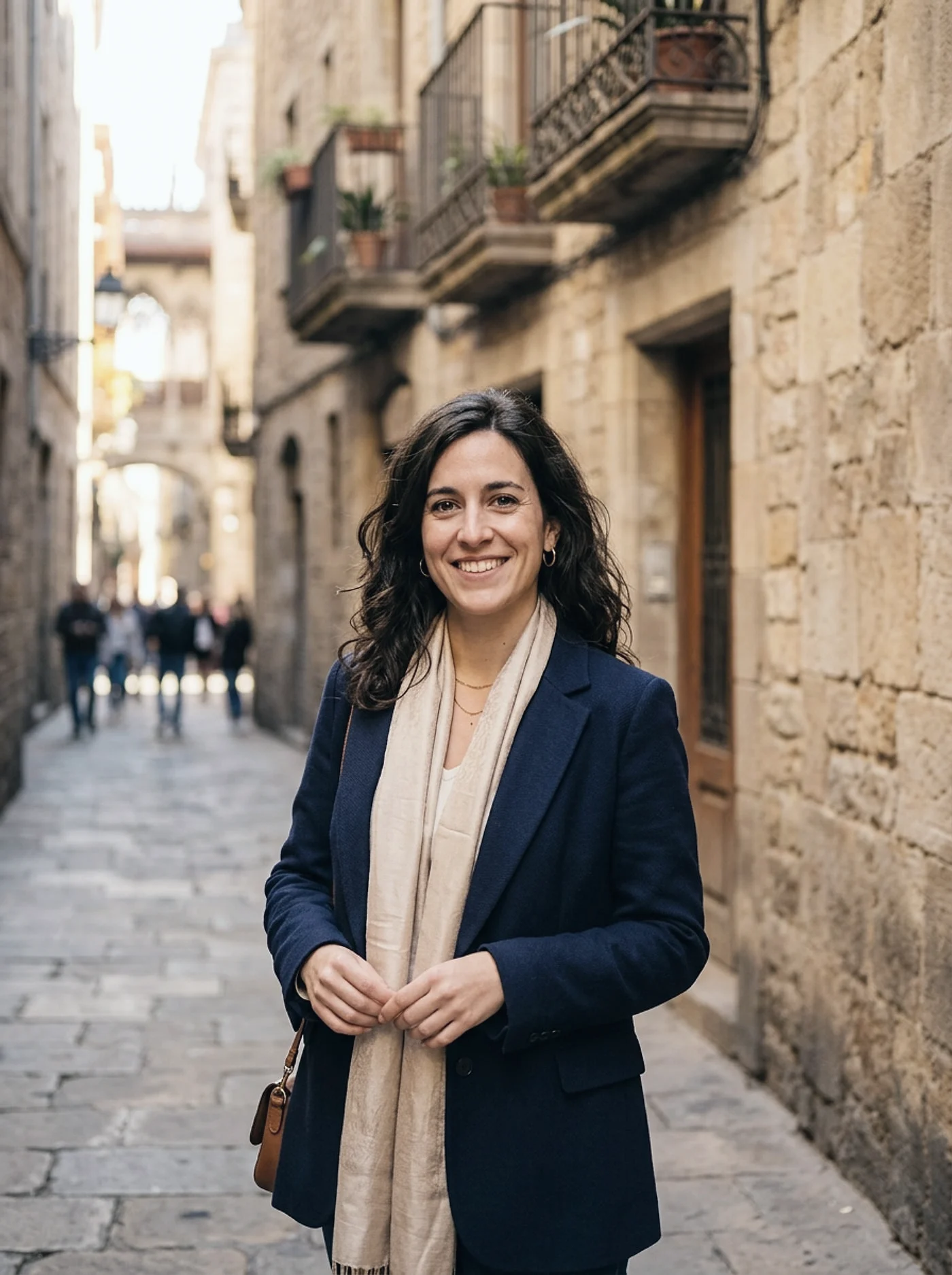
It also helps to know how the meeting works. Check the meeting point, how early to arrive and what happens if someone is delayed. A precise location near a landmark is easier than a broad area. For a private gaudi tour barcelona, clear start details are especially useful because traffic, metro exits and busy pavements can make a simple meeting feel stressful.
Read the route like a local journey
Map the stops before booking. Look at the distances, the transport between them and whether the order makes sense. Pairing sites in the same district usually leaves more time for explanation and observation. Moving from Sagrada Familia to Casa Batlló and La Pedrera can work well, while adding Park Güell needs care because of the extra travel and the layout of the park itself.
Watch for routes that describe Gaudí only as a collection of unusual shapes. His work is richer than that. Good commentary touches on structure, nature, colour, religion and the city around him. It also distinguishes between original work, later construction and restoration context where relevant. That accuracy helps visitors understand what they are seeing instead of leaving with a vague impression.
Time inside each site deserves attention too. Ask how long the guided portion lasts at Sagrada Familia and whether there is any free time afterward. For Casa Batlló and La Pedrera, check whether the visit focuses on interiors, rooftops or both. These details may sound small, but they shape the quality of the day far more than a long list of highlights.
Use reviews and questions to catch gaps
Reviews are useful when read for patterns rather than praise alone. Repeated comments about clear explanations, comfortable pacing and smooth organisation are good signs. Repeated complaints about unclear meeting points, rushed stops or missing context deserve attention. A single unhappy review may reflect a bad day, while the same issue appearing often suggests a real problem.
Before booking, ask a few direct questions. The answers should be specific and easy to understand.
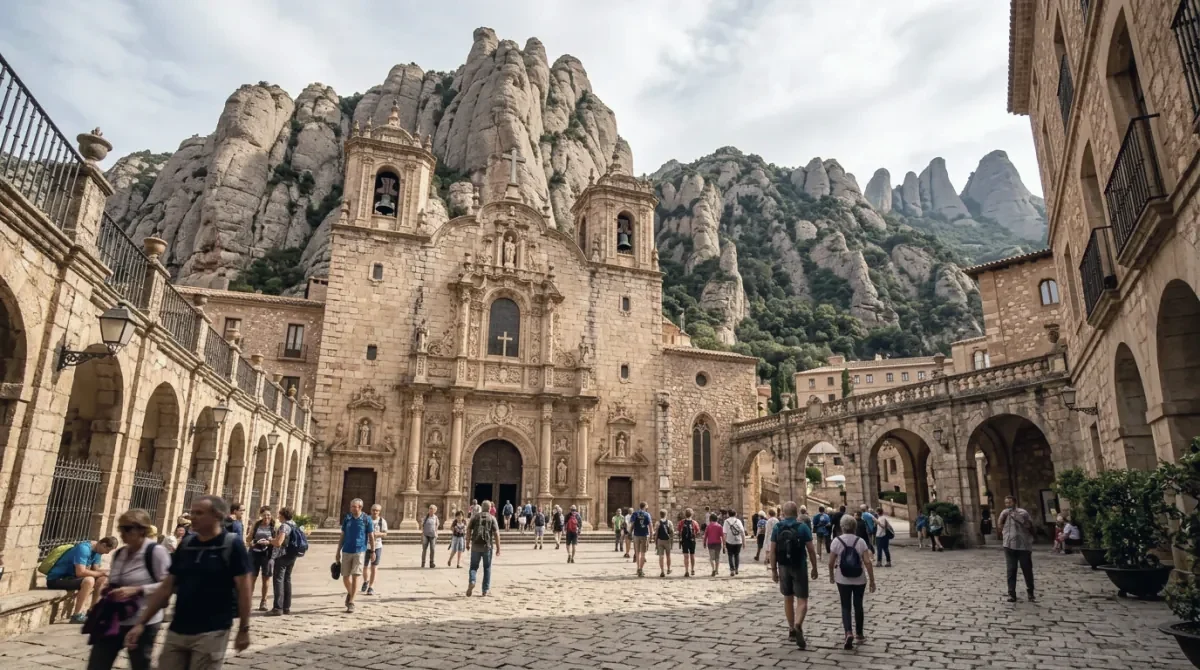
- Which sites are entered, and which are viewed from outside?
- How much walking and elevation should participants expect?
- What is included in the guided time at each stop?
- How are changes handled if a site access time shifts?
Trustworthy answers do not need to be elaborate. They should simply match the itinerary and avoid vague wording. If a question about access produces a confusing reply, treat that as a sign to slow down and compare another option.
Make the final choice with the whole day in mind
Once the route, access, guide and meeting details are clear, step back and picture the day as a whole. The right private tour should leave enough energy for the next meal, the next neighbourhood or simply a quiet pause. It should also reflect the way you prefer to learn. Some travellers want detailed architectural reading, while others want a memorable introduction with room to wander.
A good final check is simple: can you explain what happens at each stop, how you get between them and what the guide will cover? If yes, the choice is likely sound. If the plan still relies on broad promises, keep looking. Gaudí's buildings reward attention, and the best visit is one that gives you the time and context to notice them properly.